
Overview
Sarcopenia is the gradual loss of muscle mass, strength, and performance that happens with ageing, and becoming more noticeable later in life. It is not just “weakness with age,” but a measurable decline in muscle quality and function.
As muscle reduces, everyday tasks like waling long distances, climbing stairs, carrying weight begins to feel harder.
It is driven by a combination of reduced physical activity, lower protein utilization, hormonal changes, chronic inflammation, and long periods of sedentary behavior. Without intervention, it can gradually reduce mobility, balance, and independence over time.
- Feeling weaker while doing routine physical tasks
- Difficulty getting up from a chair without support
- Reduced walking speed or shorter walking distance tolerance
- Noticeable loss of muscle tone in arms or legs
- Increased fatigue after mild physical activity
- Poor balance or higher tendency to feel unsteady
- Slower recovery after exertion or exercise
Sacropenia happens because muscle protein synthesis becomes less efficient with age, while factors like insufficient physical activity and poor nutrition further accelerate muscle breakdown. Over time, even everyday movements provide less stimulus for maintaining muscle.
It is driven by ageing, reduced physical activity, inadequate protein intake, hormonal changes, chronic inflammation, and long periods of sedentary living.
- Age-related decline in muscle protein synthesis
- Sedentary lifestyle and lack of resistance activity
- Inadequate protein intake over time
- Chronic inflammation or long-term illness
- Hormonal changes (testosterone, growth hormone decline)
- Prolonged bed rest or physical inactivity
- Poor overall nutritional status
Progressive muscle loss can impact overall physical resilience, including:
- Reduced strength for daily activities like walking or lifting
- Slower movement and reduced walking speed
- Higher risk of falls and injury
- Increased fatigue with minimal exertion
- Loss of balance and coordination
- Gradual decline in independence and functional capacity
- Older adults noticing reduced strength or slower movement
- People with low protein intake or poor nutrition
- Those with sedentary, desk-based routines
- Individuals recovering from illness or prolonged inactivity
- People who feel fatigued during light activity
Slowly declining strength makes everyday activities harder over time. Progressive care can help restore it.
Praan’s Care Approach

Expected Improvement
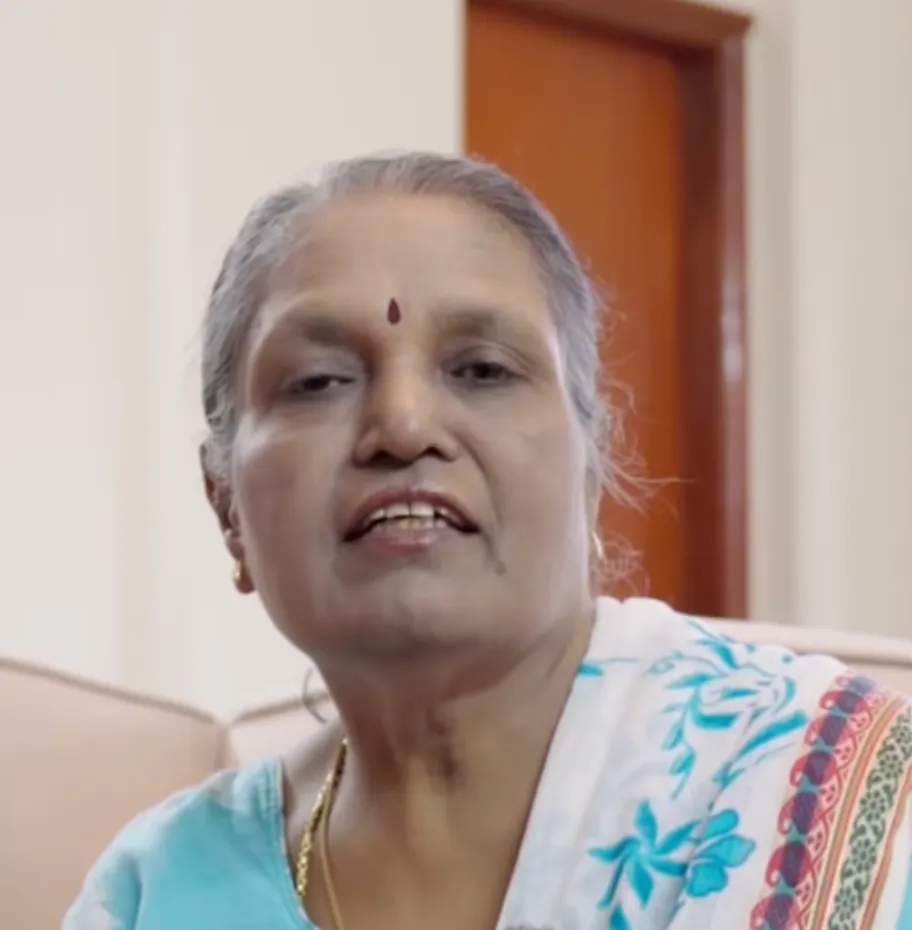
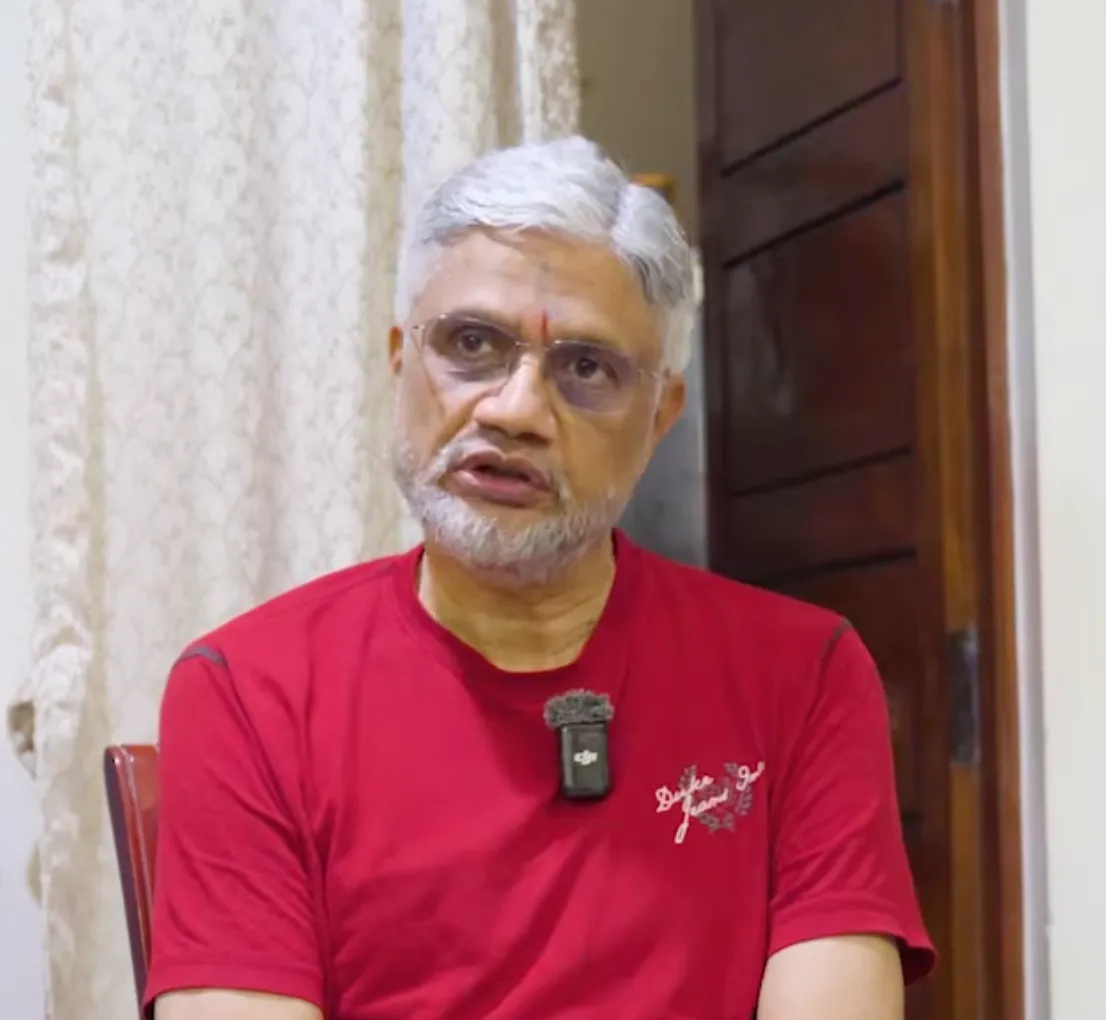
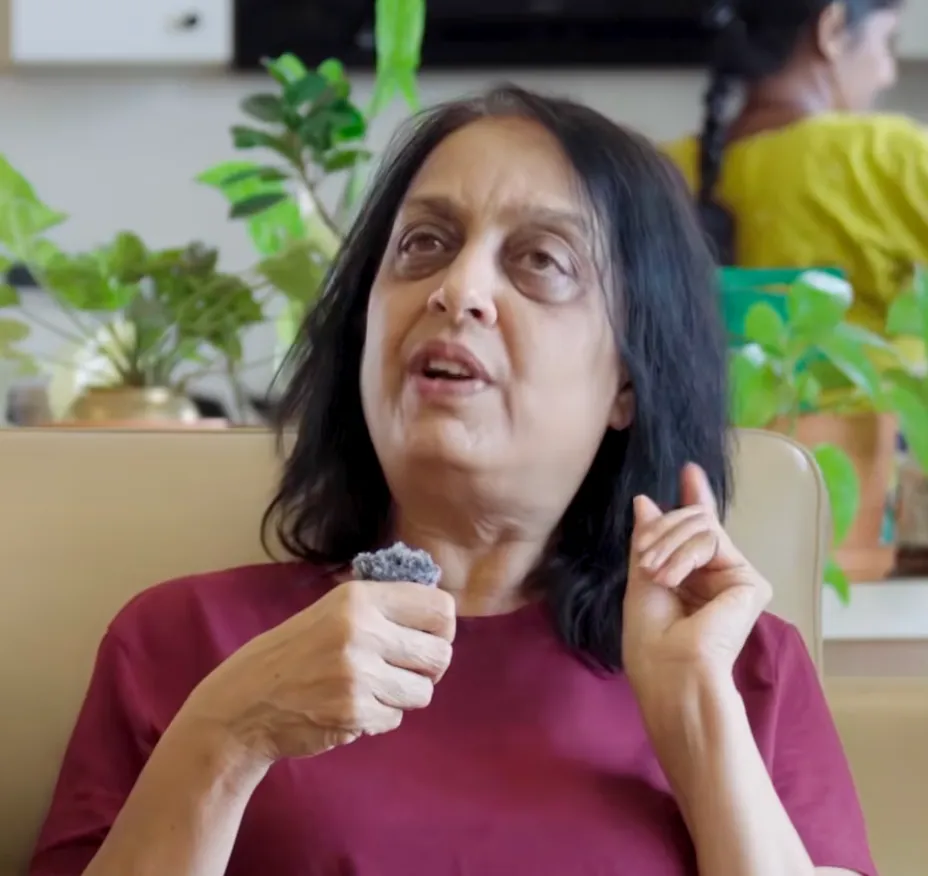
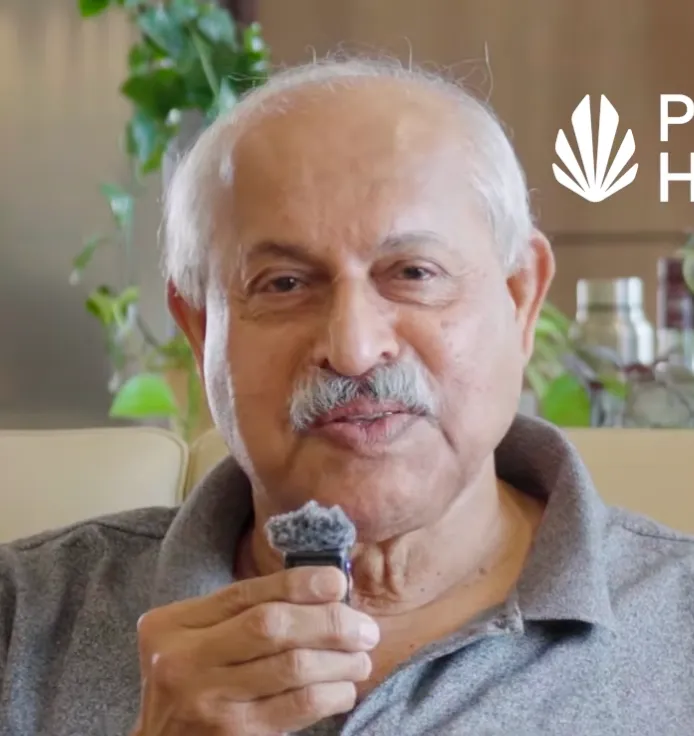
Real Results, Real People
What changes
in 90 days





Start with a conversation.
We'll build the rest.