
Overview
In osteoarthritis, the protective cartilage that cushions the ends of bones within joints gradually breaks down over time.
As cartilage wears away, bones begin to rub against each other, leading to pain, stiffness, inflammation, and reduced joint mobility. The knees, hips, hands, and spine are among the most commonly affected joints.
It develops due to a combination of ageing, joint wear and tear, excess body weight, previous injuries, repetitive stress on joints, muscle weakness, and genetic factors.
- Joint pain during or after movement
- Morning stiffness lasting a short time
- Reduced flexibility
- Mild swelling around joints
- Grinding or clicking sensation in joints
- Difficulty in climbing stairs or walking long distances
Osteoarthritis develops when the cartilage that cushions joints gradually wears down over time, reducing the smooth movement between bones.
As cartilage thins, the joint becomes less protected, leading to friction, inflammation, pain, and stiffness. The body may also respond by forming extra bone, which can further restrict movement.
It is driven by ageing, excess joint load (especially from obesity), previous injuries, repetitive stress, muscle weakness, and genetic predisposition.
- Ageing and natural wear-and-tear of joints
- Excess body weight increasing joint load
- Previous joint injuries or trauma
- Repetitive stress on specific joints
- Muscle weakness and poor joint support
- Genetic predisposition
- Long-term joint misalignment or poor biomechanics
Osteoarthritis can progressively affect joint and functional health, including:
- Chronic joint pain and stiffness
- Reduced mobility and range of motion
- Difficulty in walking, climbing stairs, or daily movement
- Joint swelling and inflammation flare-ups
- Muscle weakness due to reduced activity
- Loss of independence in advanced stages
- Individuals with knee, hip, or spine pain
- People with obesity or high joint load
- Those with previous joint injuries
- Sedentary individuals or those with weak muscle support
- Individuals with family history of arthritis
Osteoarthritis is not just ageing. It is progressive joint wear that can be controlled with early care.
Praan’s Care Approach

Expected Improvement
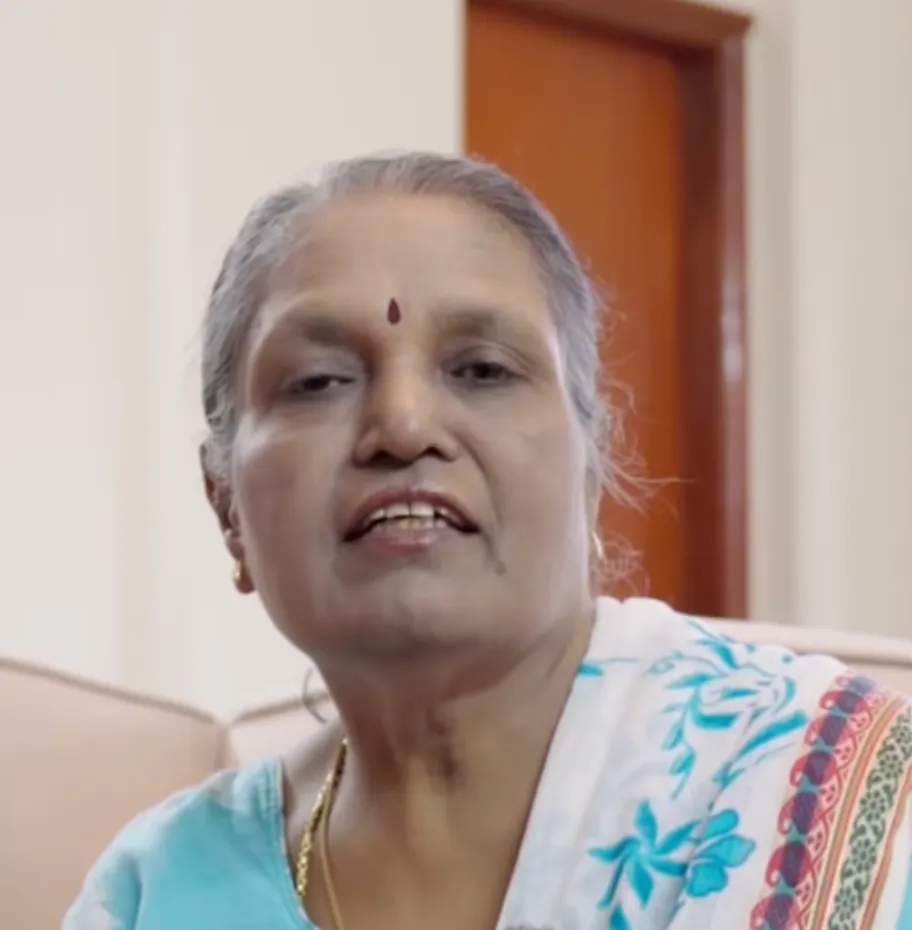
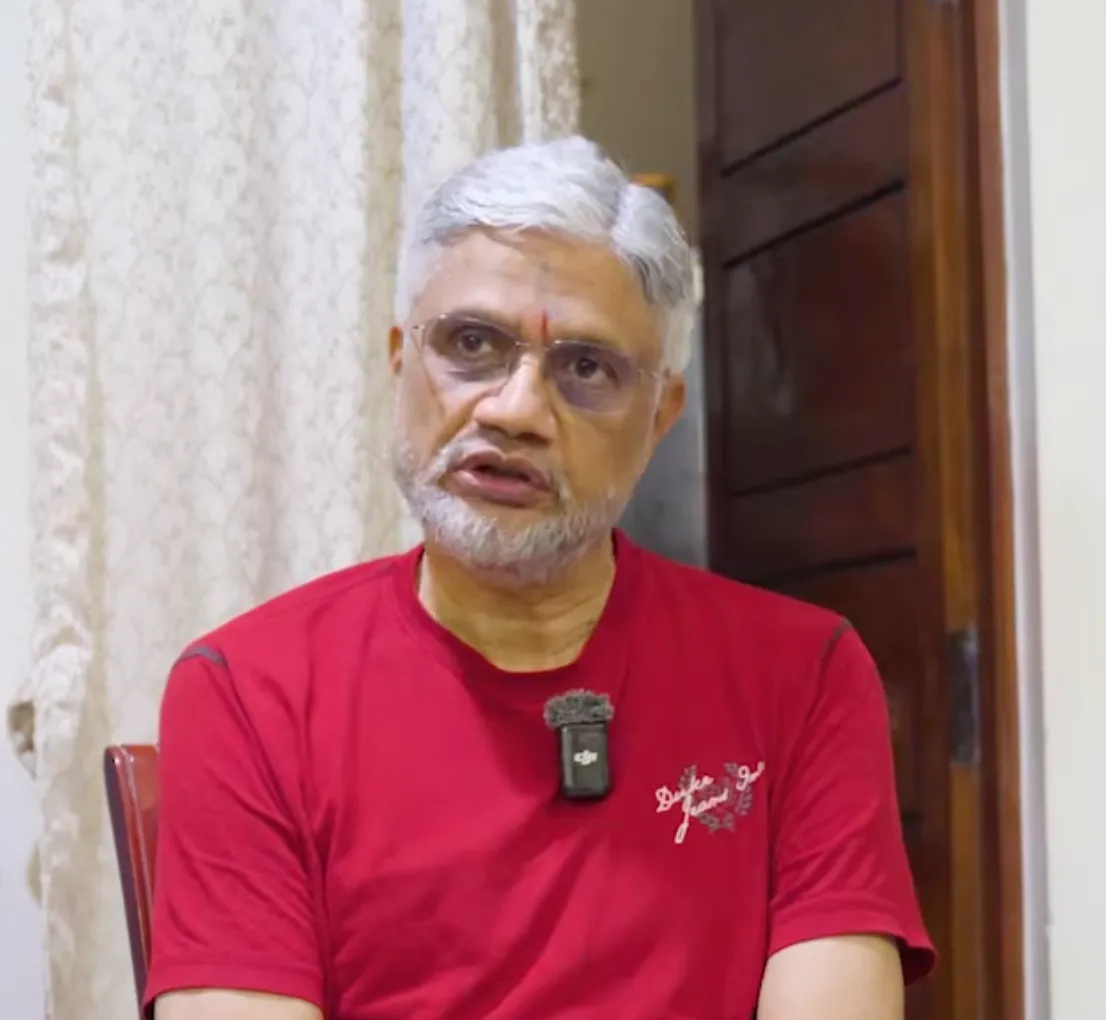
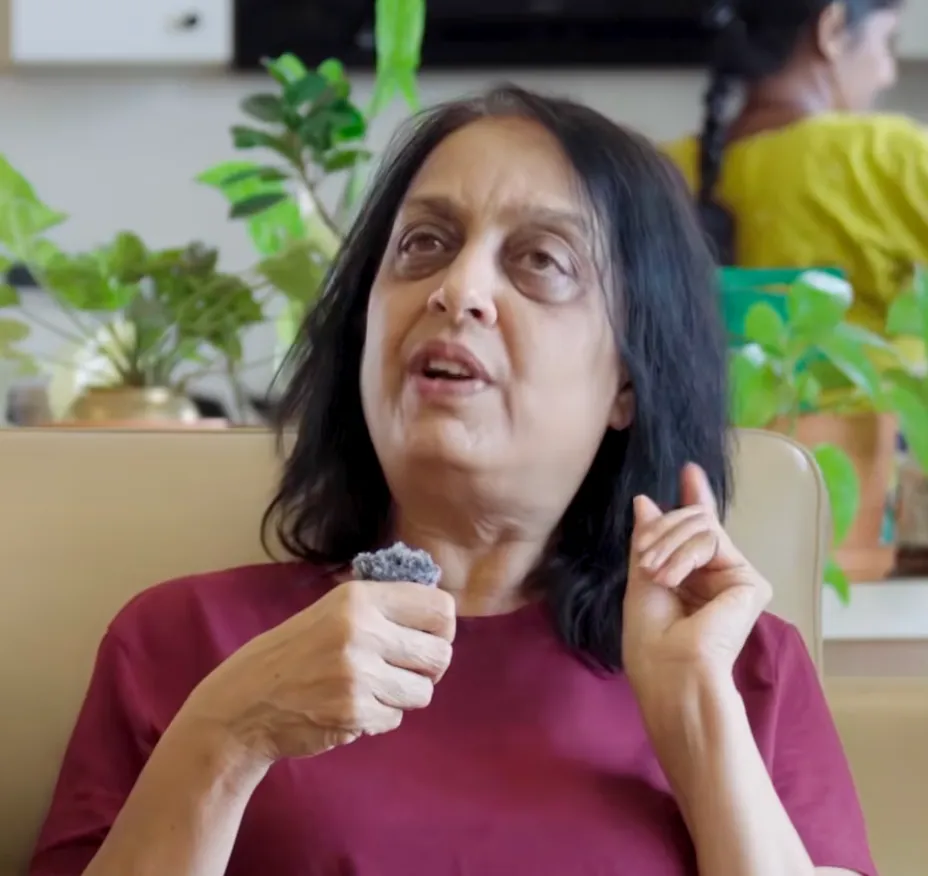
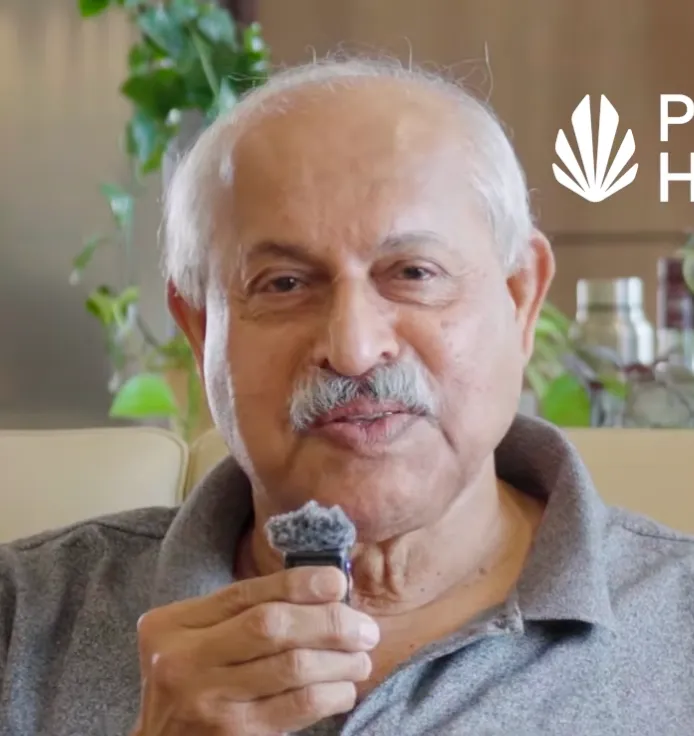
Real Results, Real People
What changes
in 90 days





Start with a conversation.
We'll build the rest.