
Overview
Hypertension is a chronic condition where the force of blood against artery walls remains consistently elevated.
Over time, this increased pressure makes the heart work harder and damages blood vessels, increasing risk to the heart, brain, kidneys, and eyes.
It is often called a “silent condition” because it usually has no obvious symptoms until complications develop.
- Frequent headaches
- Dizziness or light-headedness
- Blurred vision
- Shortness of breath on exertion
- Chest discomfort
- Fatigue without clear cause
- Nosebleeds (in some cases)
In Hypertension, the pressure exerted by blood against artery walls remains consistently elevated, forcing the heart to work harder than normal.
Over time, this increased pressure damages blood vessels and strains vital organs such as the heart, kidneys, brain, and eyes, increasing the risk of heart attack and stroke.
It develops due to a combination of genetic predisposition and lifestyle factors such as high salt intake, excess body weight, physical inactivity, chronic stress, alcohol consumption, and ageing.
- High salt intake and poor diet quality
- Excess body weight, especially abdominal fat
- Lack of physical activity
- Chronic stress and poor sleep
- Smoking and alcohol use
- Family history of hypertension
- Diabetes and insulin resistance
- Ageing and vascular stiffness
Uncontrolled blood pressure can silently damage multiple organs, including:
- Increased risk of stroke and heart attack
- Kidney damage and reduced renal function
- Vision changes due to retinal vessel damage
- Heart strain leading to thickening or weakening of the heart muscle
- Cognitive decline and vascular-related brain changes
- Persistent headaches, dizziness, or fatigue in advanced stages
- Individuals with obesity or abdominal fat
- People with diabetes or high cholesterol
- Smokers and regular alcohol consumers
- Those with high stress lifestyles or sedentary jobs
- Individuals with family history of hypertension
Often asymptomatic, but quietly strains and damages the heart, brain, and kidneys.
Praan’s Care Approach

Expected Improvement
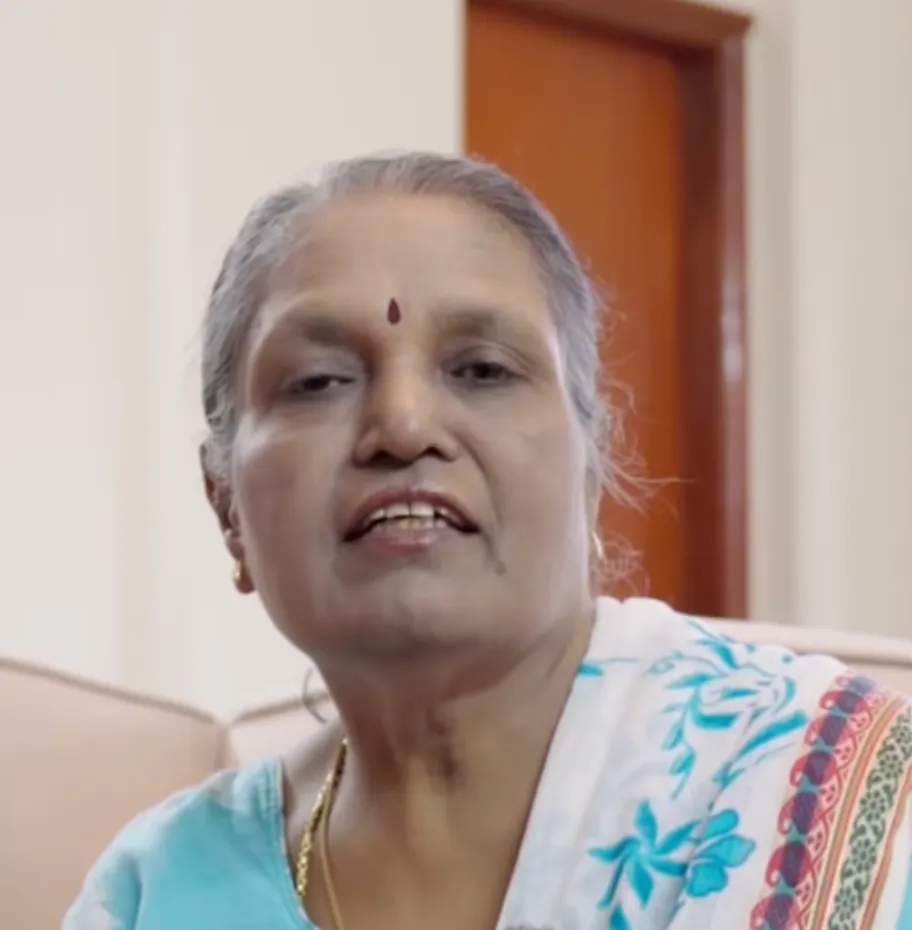
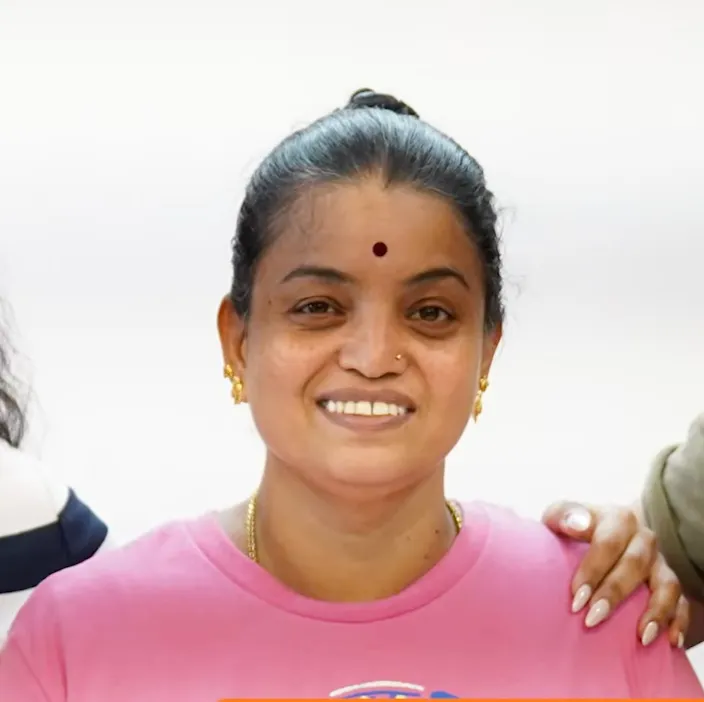
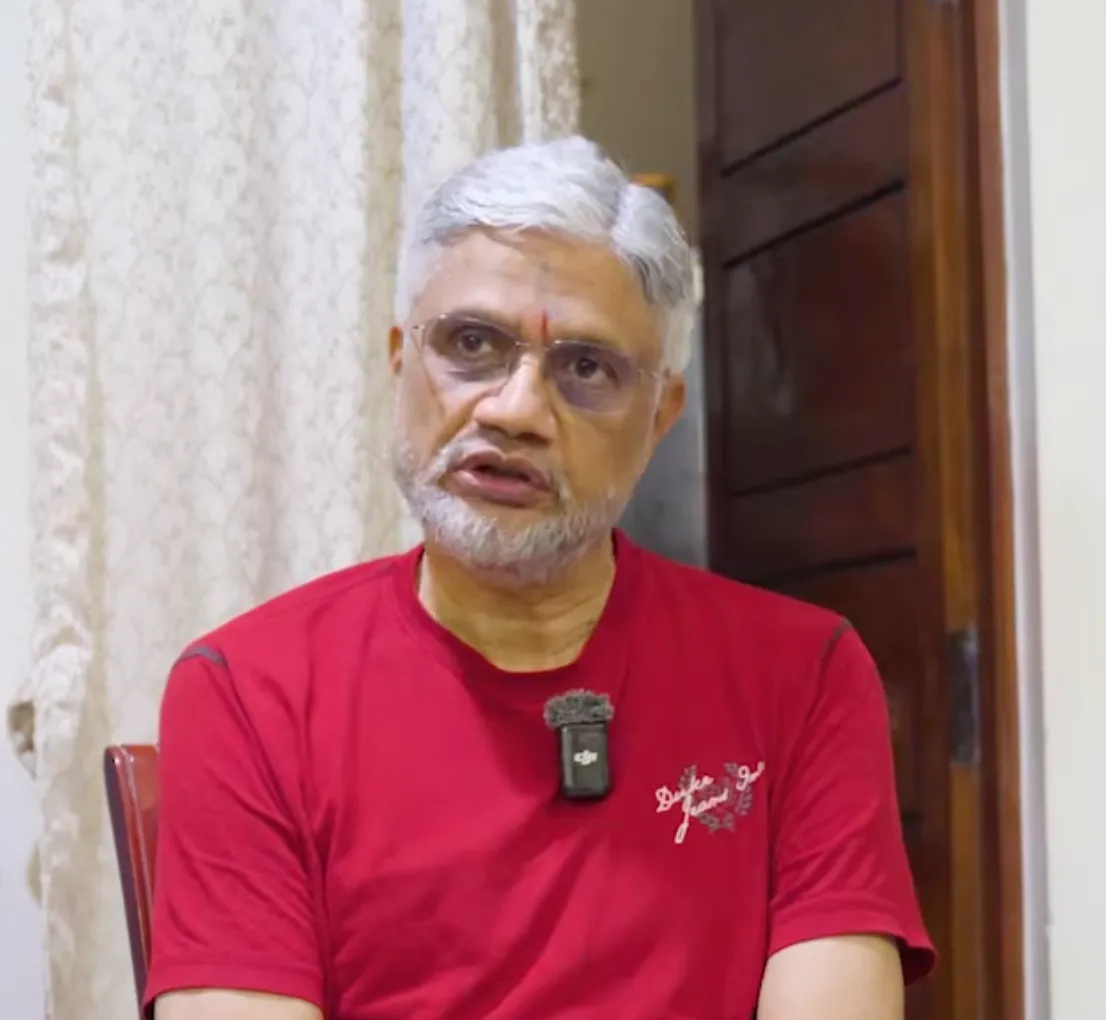
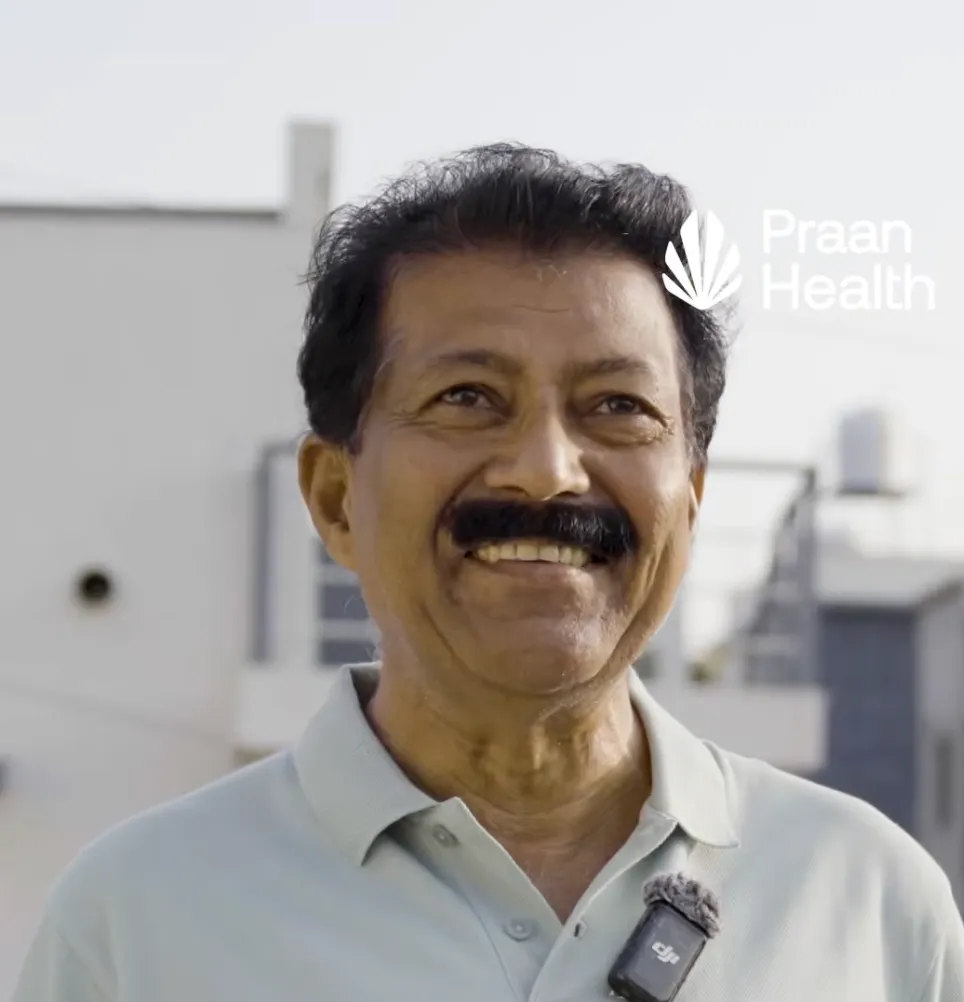
Real Results, Real People
What changes
in 90 days



Start with a conversation.
We'll build the rest.